

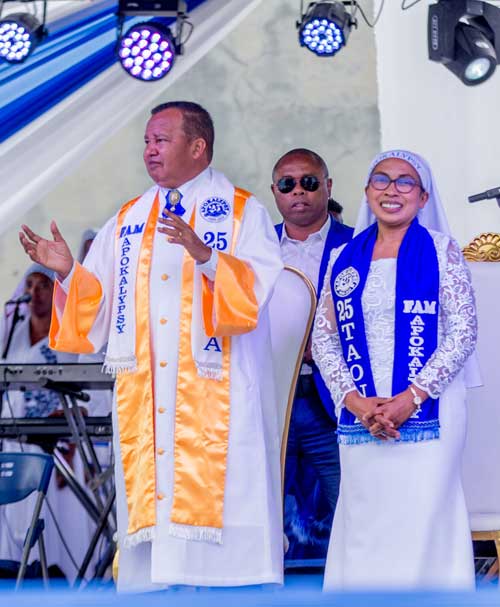

Science of prayer on Saturday, June 15, 2024 at F.A.M AMBATOMIRAHAVAVY.
-
Categories: Populaire
-
Mise à jour le: 28-Jun-2024




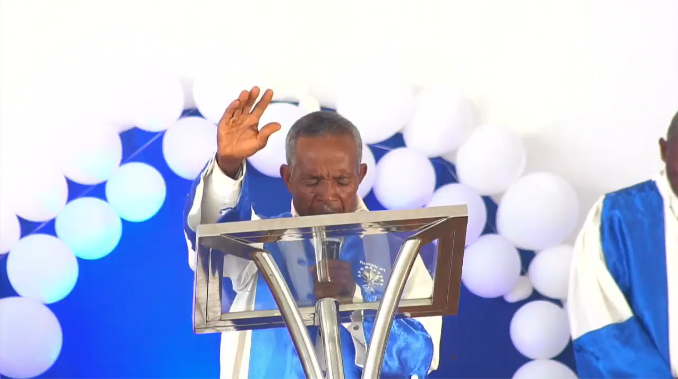
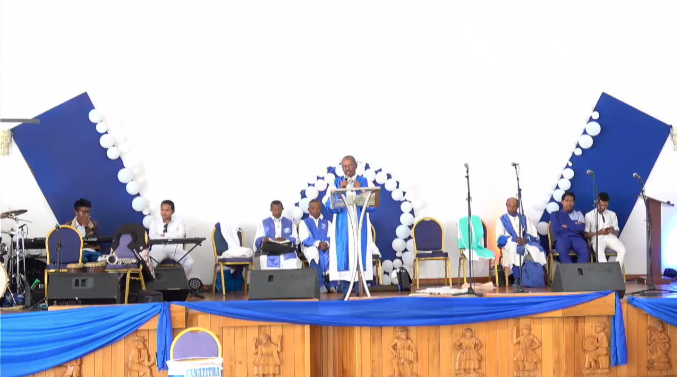

On Saturday 15th June, in F.A.M. AMBATOMIRAHAVAVY, specifically at the Hotel Villa Verte, we had the honour of hosting Pastor Mailhol and his team for a fascinating Bible study on the book of Daniel, chapter 10.
This inspiring message explored the image of Jesus through different stages of His existence: before His incarnation on earth, during His earthly ministry and after His ascension into heaven, based on Philippians 2:5-11.
The passage highlights how Jesus, despite His divinity, chose humility by humbling Himself to die on the cross, and how God has exalted Him above every name, so that every knee should bow and every tongue confess that He is Lord, to the glory of God the Father. This sermon deepened our understanding of Jesus' presence and impact throughout the ages.

Daniel and the apostle John, the author of the book of Revelation, are the only ones who saw the image of Jesus in His full power. John, especially in Revelation 1:12-18, provides a striking vision in which Jesus appears in transcendent glory and majesty, clothed in a robe and a golden sash, His eyes like burning fire, holding stars in His right hand. His feet are like polished bronze, His eyes are like burning fire, and a sharp double-edged sword comes out of His mouth.
Pastor Mailhol reminded us how Jesus, when He came to earth and incarnated as a man after descending from heaven, clearly warned His disciples about His return. He also warned of the

proliferation of false messiahs claiming to be Him and urged Christians to remain vigilant.
Jesus' return will mark the end of the world, an event that will not occur until His mission and teachings have been fully accomplished and revealed. Before leaving his disciples, Jesus entrusted them with the mission of sharing his teachings with all nations, thus preparing the way for his glorious return.
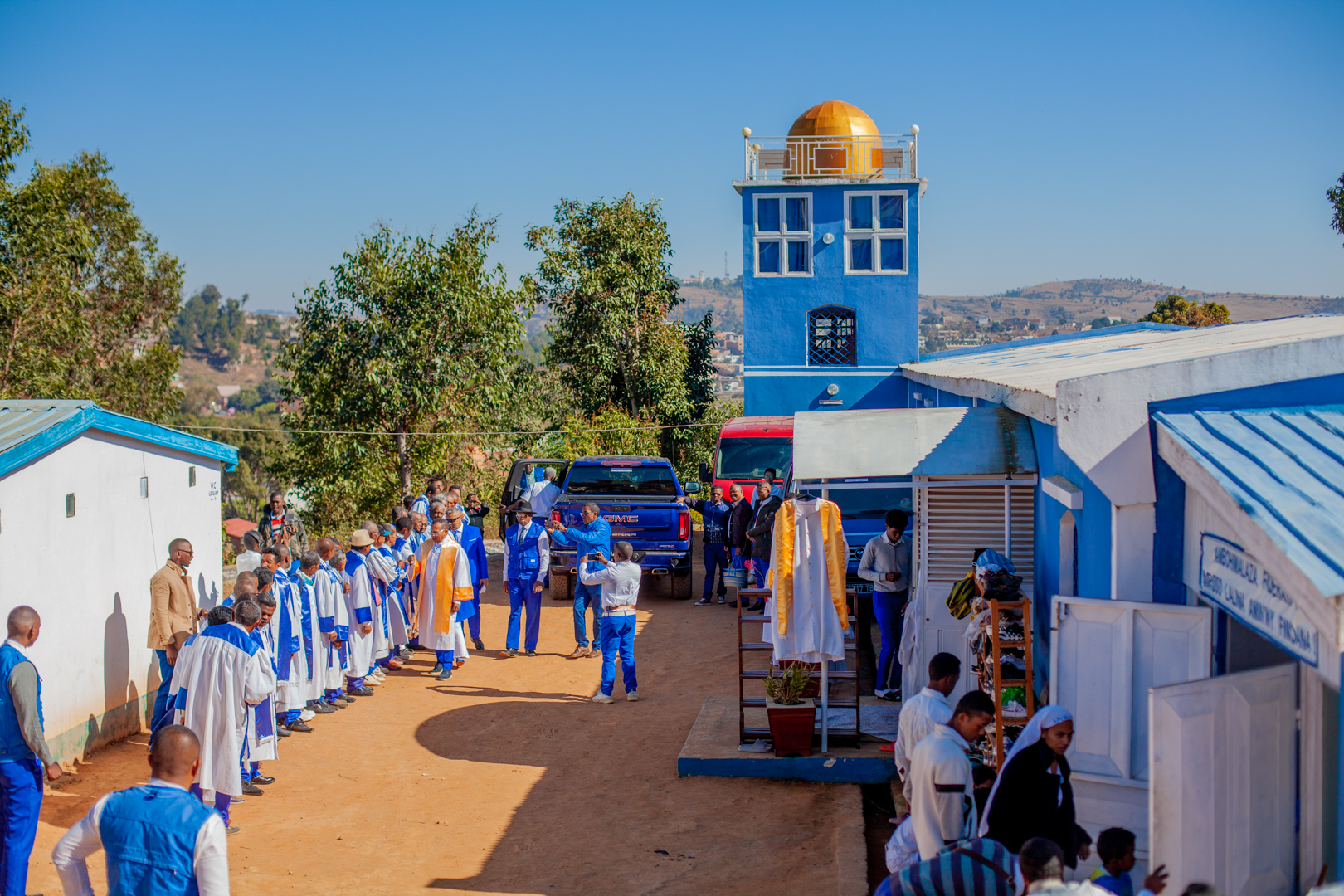
Pastor Mailhol in Ambohimalaza: Saturday, June 8, 2024
-
Categories: Populaire
-
Mise à jour le: 13-Jun-2024

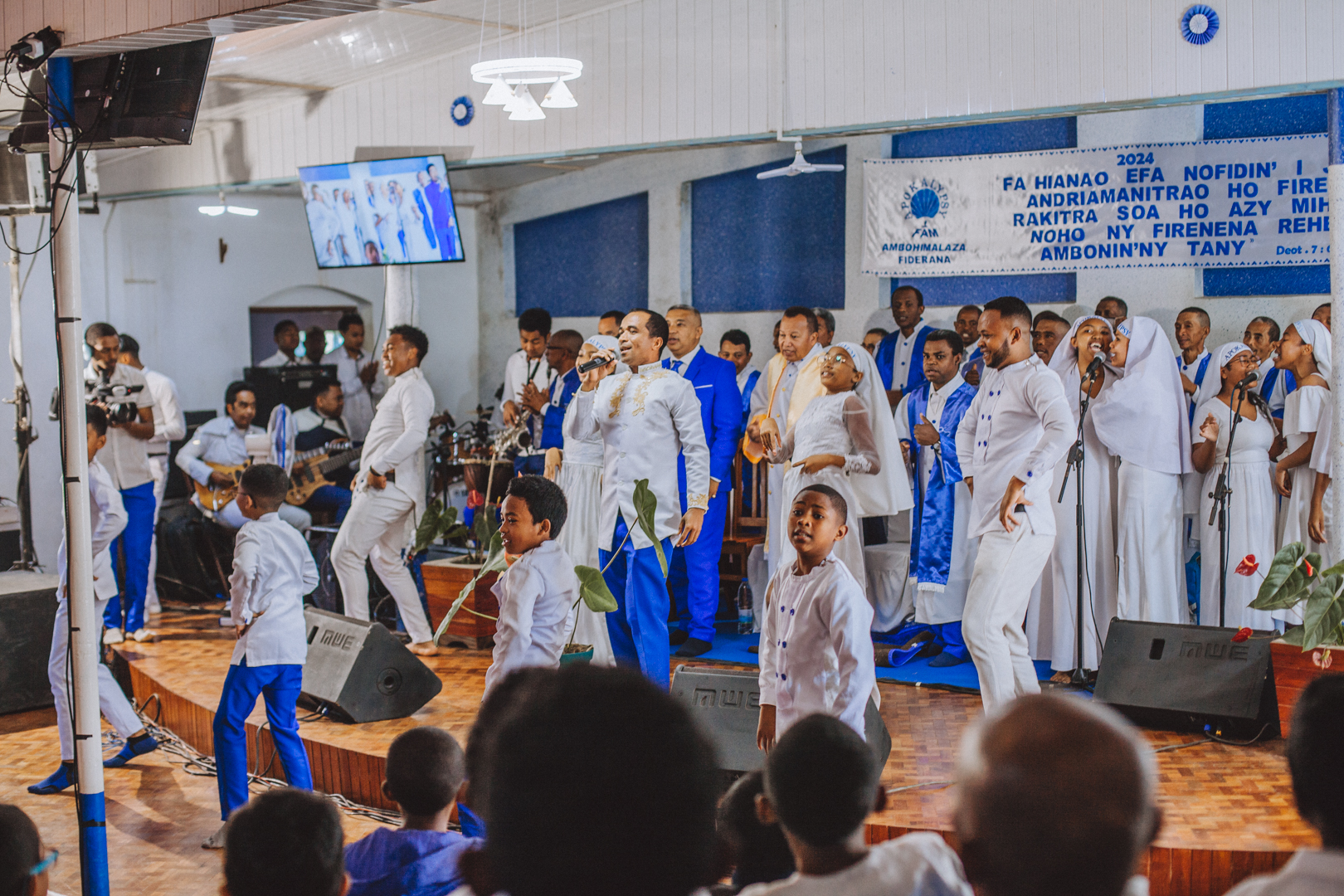
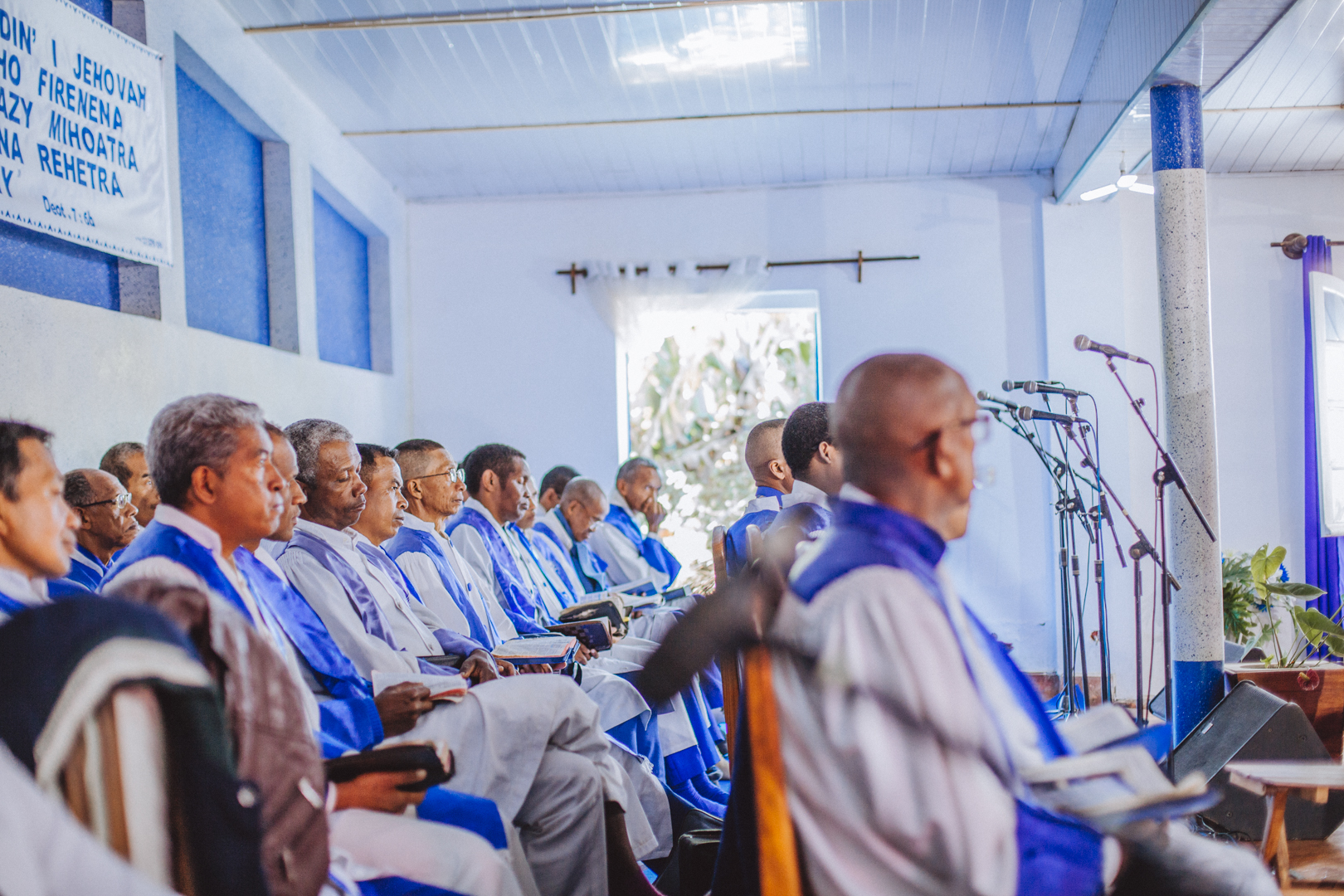
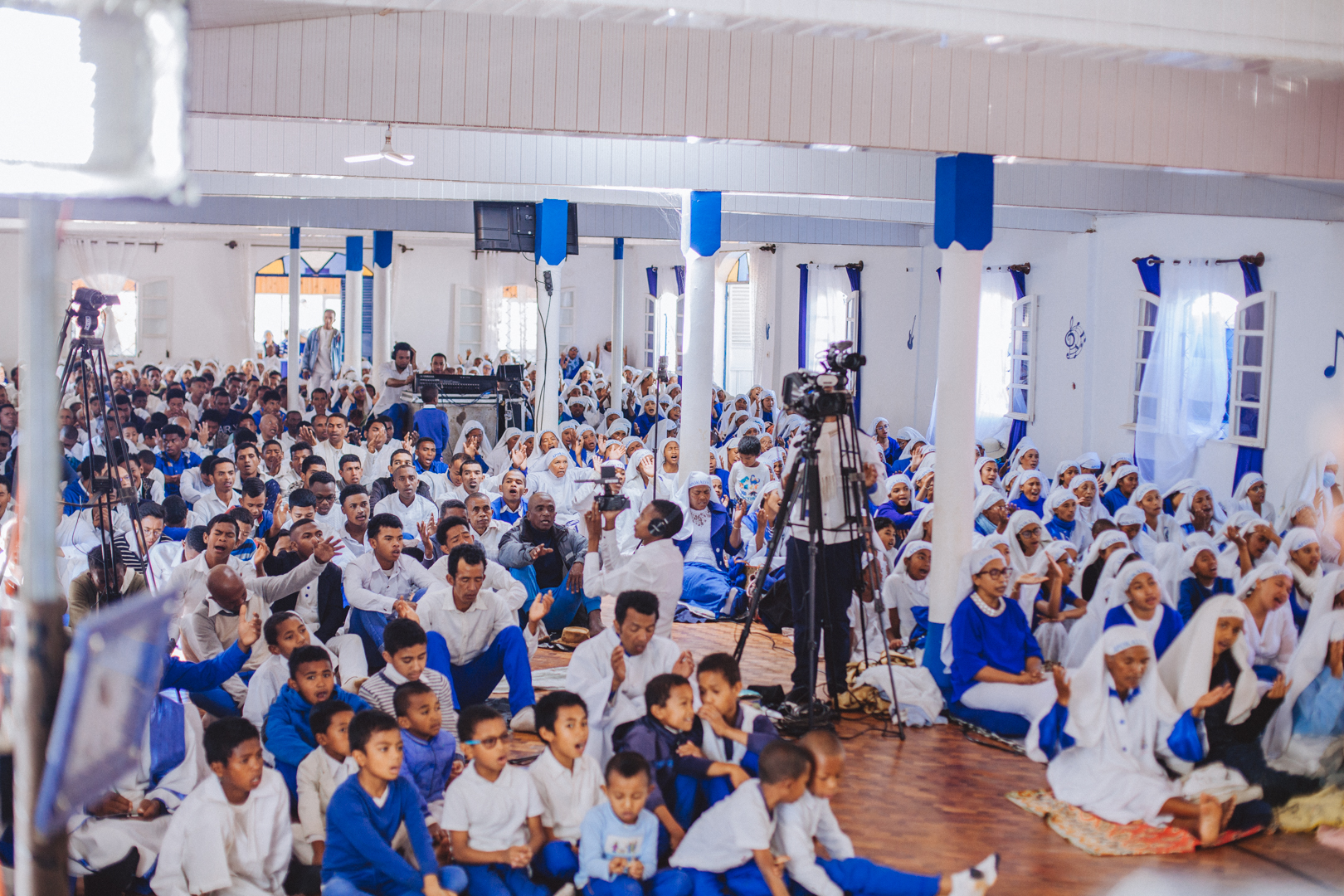
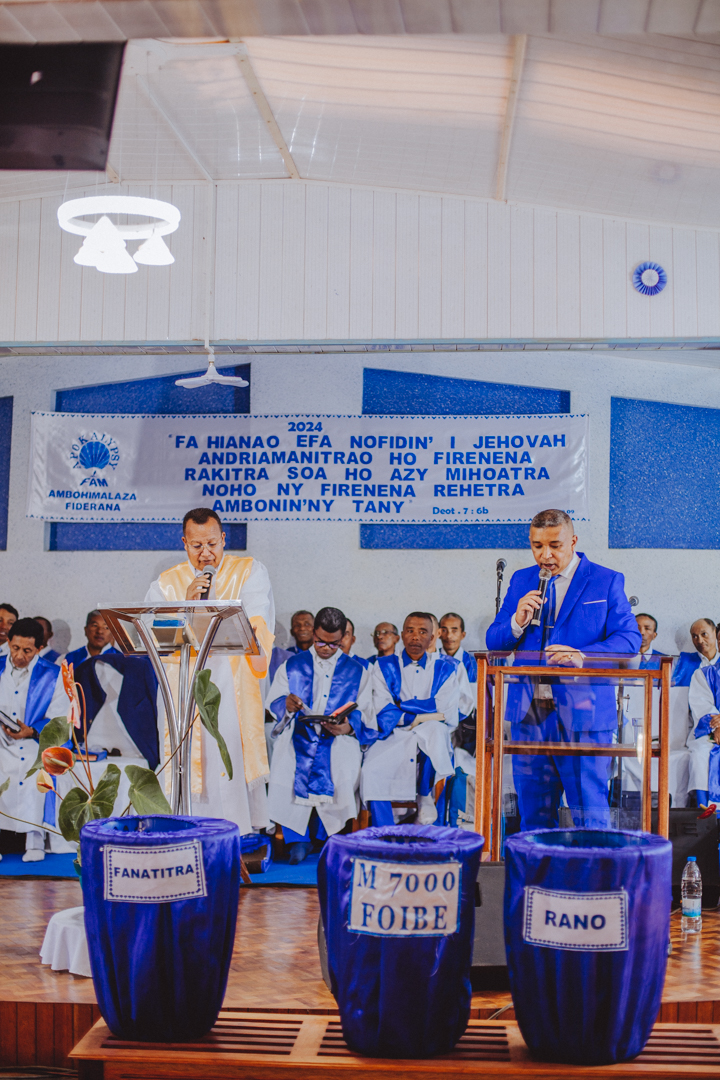
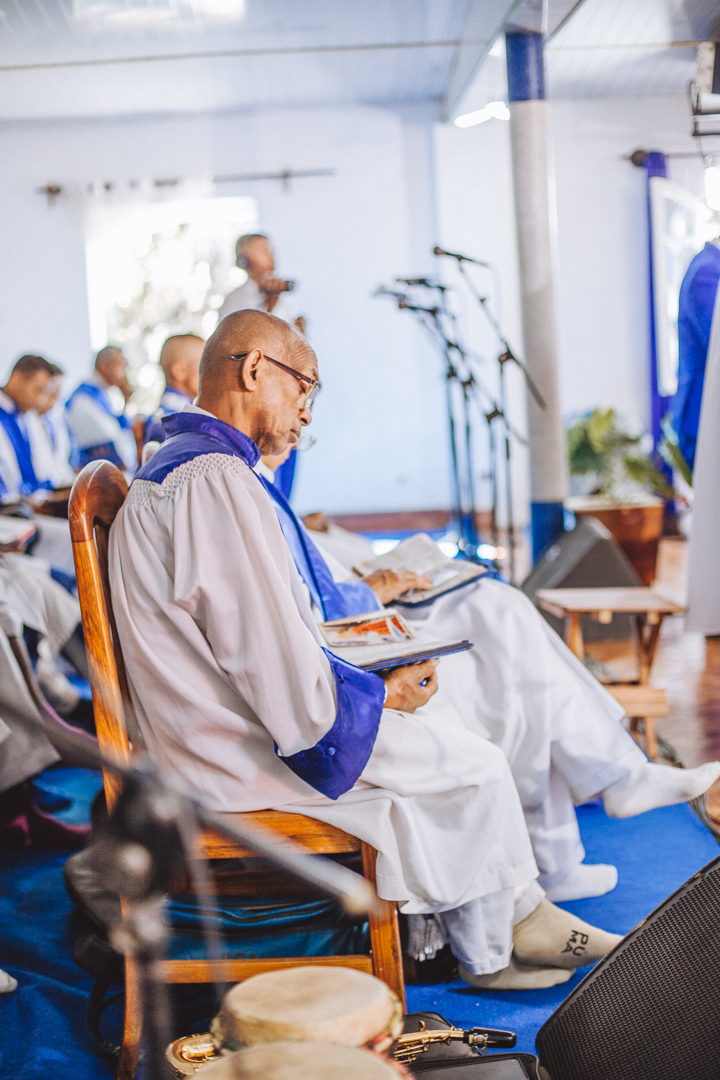
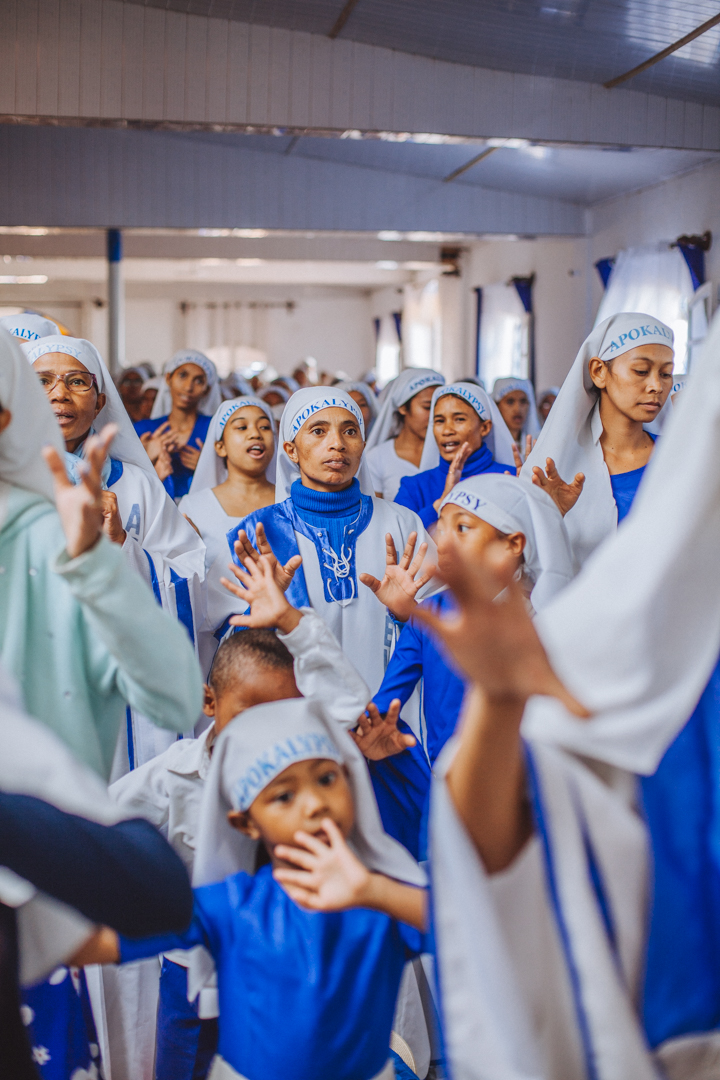

Pastor Mailhol graced the congregation of the FAM church in Ambohimalaza this Saturday, 8 June 2024, with the news of an important milestone: the celebration of the tenth anniversary of the foundation of the FAM church in Reunion Island. Among the distinguished guests were members of Faith Without Borders, represented by Mrs Miora and Mr Ranto, as well as the President of FAM France, Mr Mamy, accompanied by his wife.
During this holy Sabbath, Pastor Mailhol drew inspiration from

Jeremiah 16:10-17 for his sermon. This scripture highlights impending disaster foretold by God foretold because of the idolatry of the children of Israel.
Jehovah's word prompted deep introspection among the congregation: what reprehensible acts or crimes have we committed that would lead us to face an inevitable catastrophe in the future? This impending disaster, as prophesied by God to Jeremiah, stems from man's inability to heed God's words.
The sin of the children of Israel lies in their inclination to worship other gods, leading to their subsequent misfortunes without fully understanding the reasons for them. In fact, the disaster that befell them was due to their ancestral practice of idol worship.

This passage serves as a warning of the growing danger of serving gods other than the one true God. It echoes the message conveyed in Matthew 23:1-39, where seven sorrows are identified, specifically criticising the Pharisees and the leaders of God's kingdom:
In the context of Matthew 23:1-39, although Jesus does not explicitly list seven woes, one can interpret His rebukes and warnings as manifestations of seven aspects or consequences of hypocrisy and departure from religious truth.
Here's an attempt to categorise some of Jesus' reproaches into seven symbolic "woes":
1. Religious hypocrisy (verses 13-14): The first woe is against the hypocrisy of the scribes and Pharisees, who prevent others from entering the kingdom of heaven while they themselves do not follow it, and who exploit widows instead of doing justice.
2. Neglect of the weightier matters of the law (vs. 23-24): Jesus reproaches the Pharisees for meticulously observing minor details of the law, such as tithing on small herbs, while neglecting more important aspects of the law, such as justice, mercy and faithfulness.
3. Outward appearances without true godliness (verses 27-28): Jesus compares the Pharisees to whitewashed tombs, beautiful on the outside but filled with impurities on the inside, thus denouncing their hypocrisy and lack of spiritual sincerity.
4. Forced conversion without inner transformation (verse 15): The Pharisees are accused of travelling over land and sea in their zealous proselytising, but their efforts do not result in genuine spiritual transformation in those they convert.
5. The priority of appearance and human recognition (vs.5-7): Jesus criticises the Pharisees for their desire to be honoured and recognised by others, highlighting their love for the best seats in the synagogues and flattering greetings in public places.
6. Hardness of heart and lack of compassion (vs. 23, 37-39): The Pharisees are condemned for their lack of compassion for the needy and their role in the persecution of the prophets, symbolised by the condemnation of Jerusalem as the city that kills prophets.
7. Rejection of true wisdom and knowledge of God (verses 34-36): Jesus rebukes the Pharisees for being responsible for the murder of the prophets and wise men sent by God, demonstrating their rejection of true wisdom and divine knowledge.
These seven categories symbolically represent the consequences of hypocrisy and departure from religious truth, as denounced by Jesus in His discourse against the scribes and Pharisees.

In addition, Pastor Mailhol sheds light on a unique interpretation of the death of Jesus and its meaning, emphasising the significance of the three days and three nights. He emphasises that the authentic Jesus is the one who spent three days and three nights in the tomb and asserts that this is the sign of the one true Jesus.
Finally, Pastor Mailhol underlined the importance of meditating on the passages of Revelation in the Bible. It is striking to observe how the predictions of Revelation seem to be materialising in our modern times, affecting areas such as warfare, economics, global power relations and even the nuclear threat. This correlation leads us to consider the fundamental role of these ancient texts in deciphering contemporary issues and guiding us through the turmoil of our time.

Celebrating Pastor Mailhol's Birth: A Reflection on Divine Purpose
-
Categories: Populaire
-
Mise à jour le: 13-Jun-2024
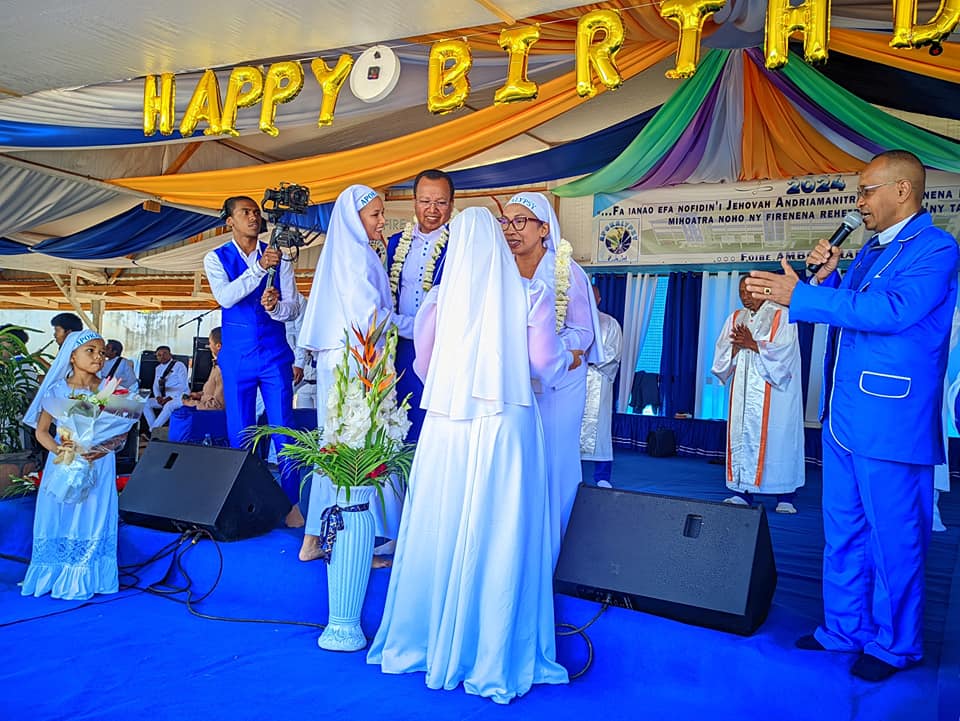
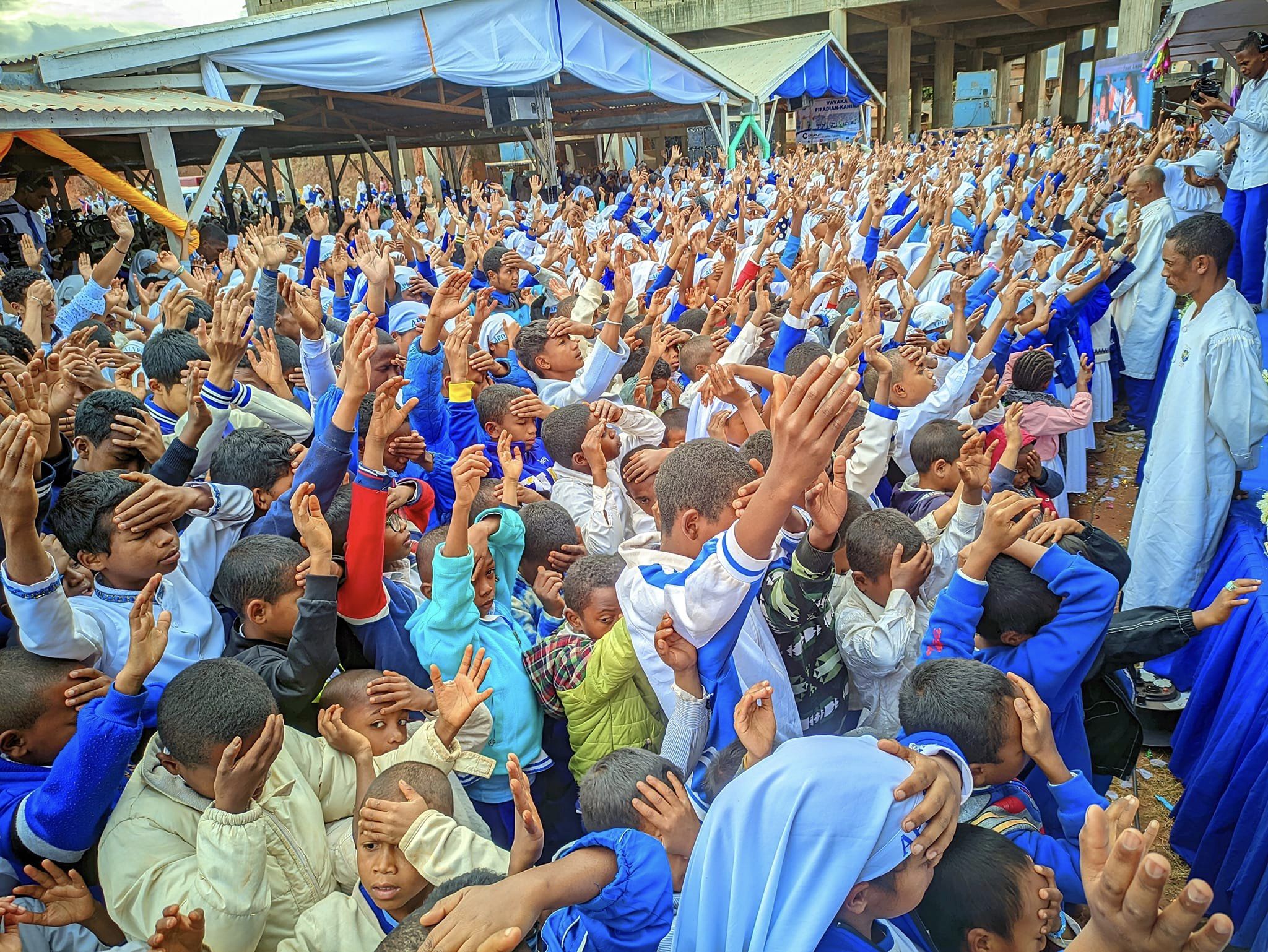

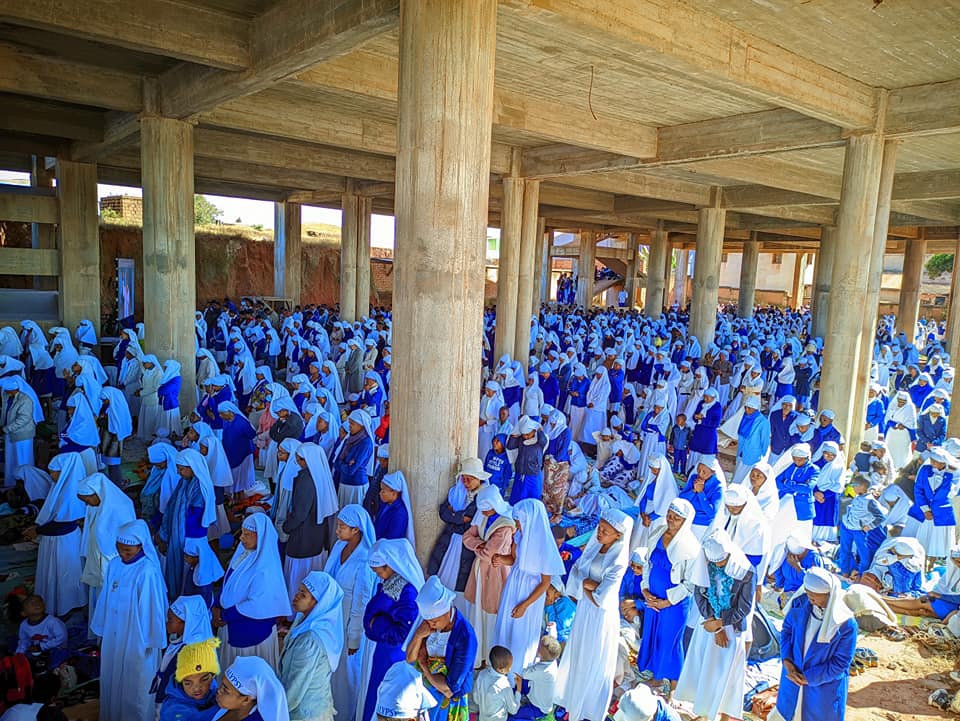
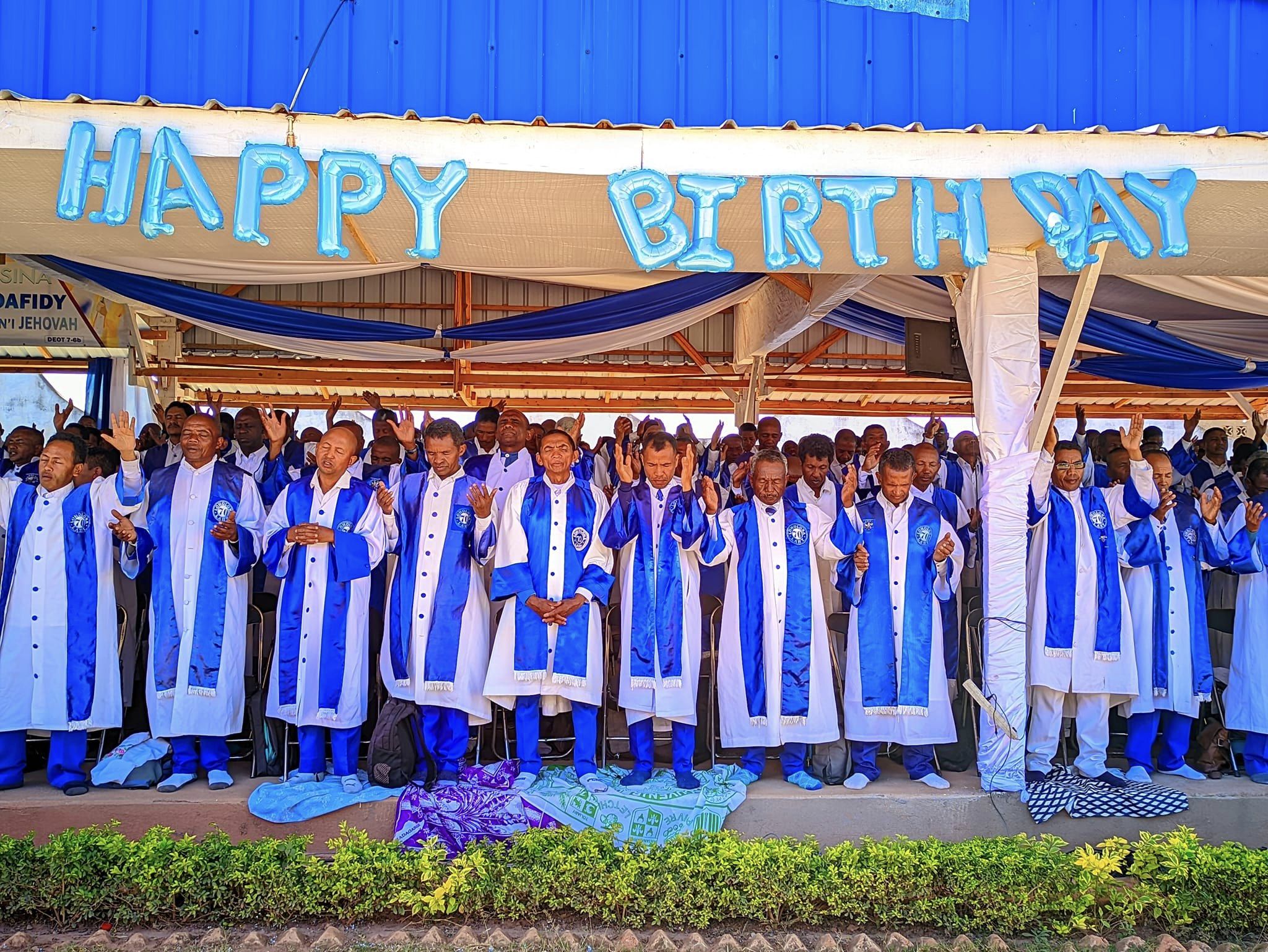



On June 1, 2024, a significant event unfolded at the FAM church in Ambohimarina: the celebration of Pastor Mailhol's birth. With his birthday falling on May 26, 1960, the day held immense importance for

the congregation, resulting in a touching and memorable gathering.
Members of the FAM church united to express their heartfelt appreciation and extend their warmest congratulations to their revered spiritual leader on this special occasion.
During his sermon, Pastor Mailhol drew insights from the tale of the Israelites in Egypt to illustrate his message. Reflecting on the Pharaoh's fear of the Israelites' burgeoning numbers, which led to the tragic order for the massacre of their firstborns, Pastor Mailhol highlighted Moses'pivotal role. Despite his privileged upbringing as the Pharaoh's adopted son, Moses recognized his divine calling to liberate his people. His exile from Egypt was followed by a profound encounter with God at Mount Sinai, where he received the mandate to lead the Israelites to freedom.
The narrative from Exodus 3:1-22 vividly depicts Moses' encounter with God at the burning bush, marking the commencement of his journey as the liberator of his people. Adding to the narrative's richness, Exodus 3:10 reinforces God's directive to Moses: "Now go, for I am sending you to

Pharaoh. You must lead my people Israel out of Egypt."
In his address to the congregation, Pastor Mailhol emphasized the importance of aligning missions with divine will. Drawing parallels between the struggles of the Malagasy people and the Israelites in Egypt, he underscored the shared yearning for liberation from oppression. Just as the Israelites awaited their deliverance, so too do the Malagasy await their own liberator to alleviate their hardships.