

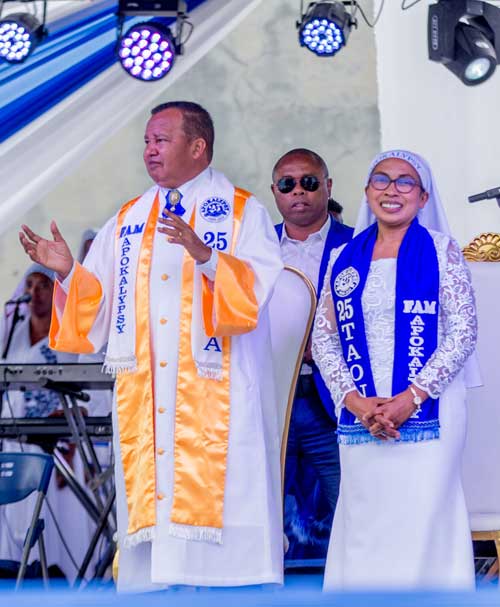
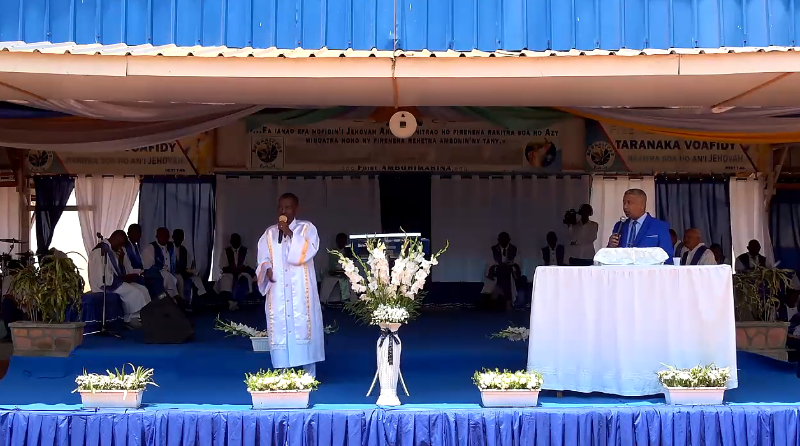
Divine Wisdom and Community: Pastor Jean Pierre's Powerful Sermon
-
Categories: Populaire
-
Mise à jour le: 01-Dec-2024
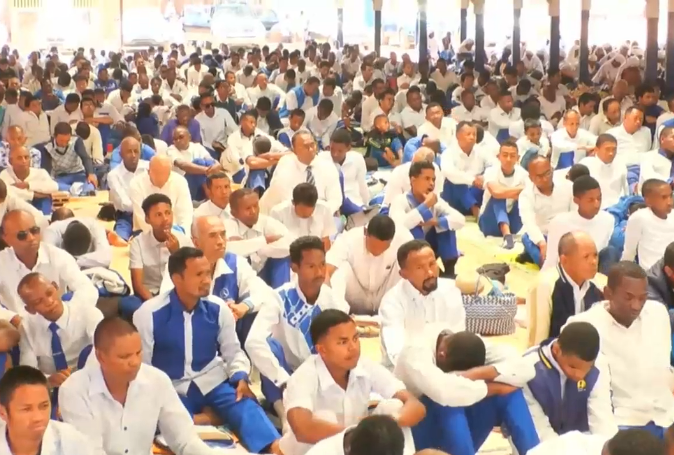




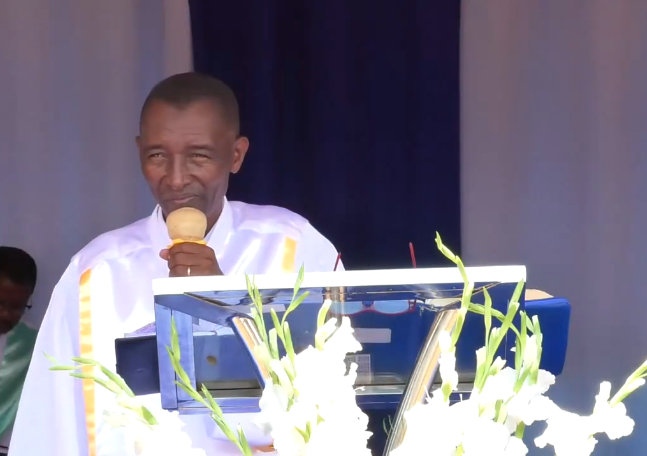


Pastor Jean Pierre delivered a deeply moving and thought-provoking sermon at the FAM Foibe Ambohimarina church on Saturday, November 2nd, 2024. His message revolved around the theme "The House Dedicated to the Lord," offering a detailed exploration of what it means for a house, or more broadly, a community, to be chosen and consecrated by God.
He began by explaining that a house dedicated to the Lord is one that stands out for its purity, holiness, and unwavering obedience to divine laws. Unlike ordinary houses, which might operate according to human values and societal norms, the house of the Lord is characterized by a divine distinction. It is a sanctuary, set apart to uphold God's spiritual structure and principles. This theme is rooted in the Old Testament's depiction of Israel as a people uniquely chosen by God to live according to His commandments.
The pastor highlighted the critical message found in Ezra 9:1-2, where the Israelites, including their priests and Levites, had fallen into grave disobedience. After returning from exile in Babylon, they mingled with surrounding nations and adopted practices expressly forbidden by God. This disobedience compromised the holiness that was meant to define the people of Israel as a "house dedicated to the Lord."
In this context, Pastor Jean Pierre elaborated on the peril of spiritual compromise. The Israelites’ decision to intermarry with the Canaanites and other pagan nations was not a mere cultural misstep but a direct violation of God’s commands. This act led to the infiltration of idolatrous practices into the lives of God’s chosen people, threatening their covenant relationship with Him.
Quoting Deuteronomy 7:1-4, Pastor Jean Pierre reminded the congregation that God had explicitly warned the Israelites not to marry people from the surrounding nations. These alliances, He said, would inevitably lead the Israelites away from worshiping the Lord, diverting their hearts to false gods and provoking His righteous anger.
The pastor emphasized that this transgression was particularly grave because it was led by Israel’s own leaders—those entrusted with safeguarding the people's spiritual integrity. Their failure to uphold God’s law set a dangerous example for the rest of the community.
Recognizing the severity of the situation, Ezra took immediate action by turning to God in prayer. Pastor Jean Pierre described Ezra’s humility and deep sense of responsibility. Instead of placing blame solely on others, Ezra identified himself with the sins of the people and sought God’s mercy on their behalf. He humbled himself, fasting and weeping before the Lord, showing the congregation that true repentance requires acknowledging guilt and seeking divine forgiveness.
Ezra's response serves as a powerful example of leadership grounded in accountability and faith. Pastor Jean Pierre encouraged his listeners to reflect on their own spiritual lives, urging them to take personal responsibility for their actions and return to the Lord with contrite hearts whenever they fall short.
The sermon transitioned seamlessly to a broader discussion of salvation, with Pastor Jean Pierre drawing on Romans 1:1-17. He emphasized that salvation is a gift freely given through faith in Jesus Christ, but it comes with a profound responsibility. Believers are called to declare the revelation of Christ to the world, making disciples of all nations.
Citing the Great Commission in Matthew 28:19-20, Pastor Jean Pierre explained that the mission of every Christian goes beyond living a pious and upright life. It includes actively spreading the Gospel and inviting others into a saving relationship with Christ. The pastor reminded the congregation that this mission is not optional—it is the very heart of the Christian calling.
He encouraged believers to be bold and unashamed in sharing their faith, drawing inspiration from the Apostle Paul, who declared in Romans 1:16, “For I am not ashamed of the gospel, for it is the power of God for salvation to everyone who believes.” This, Pastor Jean Pierre asserted, is the true measure of a house dedicated to the Lord: a community committed to glorifying God by proclaiming His truth and advancing His kingdom on earth.
Pastor Jean Pierre connected these biblical principles to the realities of contemporary Christian life. He challenged the congregation to consider how they, as individuals and as a church, could embody the characteristics of a house dedicated to the Lord.
He posed reflective questions: Are our homes places where God’s name is honored? Do we prioritize obedience to God’s Word over societal trends and personal desires? Are we actively participating in the mission of sharing the Gospel with others?
The pastor urged his listeners to evaluate their spiritual commitments and to strive for a deeper, more authentic relationship with God. He encouraged them to remain vigilant against the subtle influences of the world that can lead to compromise, just as the Israelites were swayed by their surrounding cultures.
A key takeaway from the sermon was the importance of unity and holiness within the church. Pastor Jean Pierre reminded the congregation that every member of the church has a role to play in building a spiritual house that reflects God’s glory. Whether through prayer, worship, service, or evangelism, each contribution is vital to maintaining the church's identity as a "house dedicated to the Lord."
He also highlighted the necessity of supporting one another in faith, echoing Ezra's example of communal repentance and restoration. When one member stumbles, the entire body is affected, but through collective prayer and encouragement, the church can overcome challenges and remain steadfast in its mission.
In his closing remarks, Pastor Jean Pierre reiterated the central message of the sermon: a house dedicated to the Lord must be holy, obedient, and actively engaged in proclaiming His truth. He called on the congregation to renew their commitment to living lives that honor God, both individually and collectively.
He reminded them that while the journey of faith is not without its challenges, the reward is eternal. As Ezra interceded for the people of Israel, so too must believers intercede for their families, communities, and the world, trusting that God’s grace is sufficient to restore and sanctify.
Pastor Jean Pierre ended the service with a powerful prayer, asking God to strengthen His people and to guide them in building lives and communities that reflect His holiness and love.
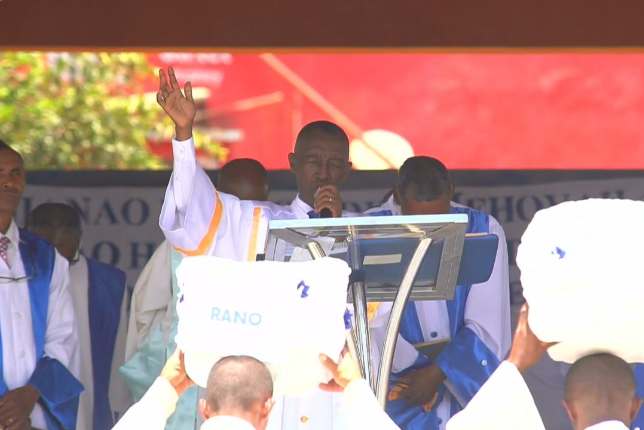
Pastor Jean Pierre's Visit to FAM Fihaonana on October 26, 2024
-
Categories: Populaire
-
Mise à jour le: 01-Dec-2024
On Saturday, October 26, 2024, Pastor Jean Pierre RANDRIATSIRARANA delivered a powerful and inspiring message at the FAM Fihaonana church. His visit marked a key moment in the life of the Christian community, bringing each member essential teachings about divine wisdom and how to achieve eternal glory.
The sermon was based on key passages from Scripture: Proverbs 18:12-24, Matthew 12:22-37, and 1 Corinthians 12:4-13. Pastor Jean Pierre explored these texts to remind believers that true wisdom comes from God, and that this wisdom is the foundation upon which they must build their Christian lives.
The main theme of his sermon was “Having the Spirit of God is the foundation of wisdom.” He began with Proverbs 18:12, which says, “Pride comes before destruction, but humility precedes honor.” Pastor Jean Pierre explained that humility is the first step toward divine wisdom, and that pride leads to downfall. He cited Jesus as the perfect example of humility, showing how, although He was equal to God, He humbled Himself to serve others and fulfill His Father’s will.
Humility is a difficult virtue to practice, but it is essential for anyone who desires to grow spiritually. Drawing from Philippians 2:5-8, where it is written that Jesus humbled Himself even to the point of death on the cross, Pastor Jean Pierre encouraged believers to follow Christ’s example by adopting a humble and obedient attitude.
The following passage from Proverbs 18:18, “The lot puts an end to disputes and separates the mighty,” was used to illustrate the importance of reconciliation and wisdom in handling conflicts. He explained that in the Old Testament, the Israelites used casting lots to resolve disputes, such as when they divided the land of Canaan under Joshua. He compared this practice to how the Church today should seek peaceful solutions to preserve unity and harmony.
Another key verse mentioned by Pastor Jean Pierre was Proverbs 18:20: “From the fruit of a man’s mouth his stomach is satisfied; he is satisfied by the yield of his lips.” Pastor Jean Pierre emphasized the enormous power of words. He reminded the congregation that although the tongue is a small member of the body, it has the power to create or destroy. Quoting James 3:5, he warned believers that “A small fire can kindle a great forest,” and that every word spoken can have significant consequences. Therefore, a wise person, filled with the Spirit of God, will control their tongue, allowing no room for harmful or useless words.
Pastor Jean Pierre also addressed the concept of casting lots within the context of divine wisdom. He explained that this practice, though seemingly trivial, can be a tool of justice and harmony when used wisely. In the book of Acts, the apostles cast lots to choose a replacement for Judas. Similarly, during the crucifixion of Jesus, the soldiers cast lots for His garments to prevent dispute. This shows that casting lots, when used justly and fairly, reflects the spirit of God in promoting peace and reconciliation.
One of the key points in the sermon was the importance of spiritual gifts in the life of the church. Pastor Jean Pierre referenced 1 Corinthians 12:4-13 to explain that the Spirit of God distributes different gifts to each member of the church, each called to serve in the role assigned to them. These spiritual gifts are not for pride or self-glorification, but for the edification of the body of Christ. Whether a believer is a prophet, teacher, healer, or administrator, they have a role to play in strengthening the church and bringing the wisdom of God to the community.
Pastor Jean Pierre encouraged believers to use their spiritual gifts with humility and not to compare themselves to others, but to see each person as a valuable member of the body of Christ. By using these gifts in unity and love, the church can advance in its divine mission, bringing the light of the Gospel to the world.
Pastor Jean Pierre concluded his sermon by emphasizing the importance of divine wisdom in the Christian life. Having the Spirit of God is essential for anyone desiring to serve God and achieve the ultimate goal of the Christian life: God’s glory and eternal life. By embodying Christ’s humility, controlling our words, and exercising spiritual gifts, we can live lives that honor God and contribute to the growth of His kingdom on earth.
Pastor Jean Pierre encouraged every believer to continue seeking the Spirit of God and living according to His divine principles. Only by having the Spirit of God can we truly understand divine wisdom and fulfill the works that God has prepared for us.

Pastor Jean Pierre's Sermon: Pursuing Righteousness and Eternal Life
-
Categories: Populaire
-
Mise à jour le: 01-Dec-2024




On October 19, 2024, the Ankorondrano Gymnasium hosted a remarkable spiritual event: the fifth anniversary of the FAM Ambohimanarina church. On this occasion, Pastor Jean Pierre RANDRIATSIRARANA delivered a powerful message focused on the Christian’s call to remain faithful to God and pursue righteousness to attain eternal life. His sermon, titled “The Christian, God’s Servant, Reaching Their Ultimate Goal: Eternal Life”, reminded believers of the depth of their spiritual commitment.
Pastor Jean Pierre began his sermon by quoting the book of Zechariah, reminding the congregation that the people of Israel had received warnings from the prophets, but they turned their backs on God’s teachings. He emphasized that this disobedience provoked God’s anger, and that this same warning applies to today’s church. In Zechariah 7:7, it says, “Should you not listen to the words which the Lord has proclaimed through the former prophets when Jerusalem and the cities around her were inhabited?” This passage highlights the importance of listening to and following God’s instructions.
Pastor Jean Pierre drew parallels between the ancient Israelites’ behavior and the actions of modern believers, noting that many people neglect God’s principles in favor of their own interests. He encouraged the congregation to learn from Israel’s history and to avoid repeating their mistakes.
Another key point of the sermon was the attitude with which believers should approach God. Citing Ecclesiastes 5:1 (“Guard your steps when you go to the house of God, and draw near to listen rather than to offer the sacrifice of fools”), the pastor warned against mechanical religious practices that lack sincerity. He stressed that coming before God requires true humility and a heart aligned with His will. External appearances or rituals alone are not enough; what God seeks is a heart ready to listen and obey.
Pastor Jean Pierre also addressed the issue of fasting, referencing Zechariah 7:5-6, where God asks the people of Israel about their true intentions behind fasting. “When you fasted and mourned in the fifth and seventh months during those seventy years, was it for me, was it for me that you fasted?” he quotes. The pastor condemned the hypocrisy of rituals practiced for personal gain rather than for God’s glory. He emphasized that true fasting, as described in Joel 2:12-13 (“Return to me with all your heart, with fasting, with weeping, and with mourning”), should be an act of sincere repentance and turning back to God. It is not about outward rituals but about a heartfelt return to God.
At the heart of the message was the discussion of what God truly expects from His children. According to Micah 6:8: “He has shown you, O mortal, what is good. And what does the Lord require of you? To act justly and to love mercy and to walk humbly with your God.” The pastor illustrated this requirement by using the examples of Noah, Job, and Daniel, three biblical figures known for their faithfulness and integrity. Their lives demonstrate that sincere faith and righteous conduct lead to divine blessings and protection.
Finally, Pastor Jean Pierre warned against the temptation to rely on personal achievements, quoting Philippians 3:8-9 (“I consider everything a loss because of the surpassing worth of knowing Christ Jesus my Lord. For his sake, I have lost all things; I consider them garbage, that I may gain Christ and be found in him.”). He reminded the congregation that salvation depends solely on faith in Christ. He urged believers to view their earthly accomplishments as secondary and focus on their relationship with God. Salvation does not depend on human efforts but on the grace of God received through faith in Jesus Christ.
In conclusion, Pastor Jean Pierre encouraged the congregation to live their faith sincerely, to listen attentively to God’s Word, and to remain steadfast in their spiritual commitment. The ultimate goal of every Christian is eternal life, and this requires consistent perseverance and unwavering faith. This sermon, deeply rooted in biblical wisdom and inspiring examples, touched the hearts of those present at the Ankorondrano Gymnasium. It reminded everyone that the path to eternal life is challenging but that those who pursue it with faith and determination will find strength and comfort in Christ.